Prince Alfred College partnered with Power Tech Energy to implement the Foodie F-100 rapid food waste decomposer, processing up to 100kg of organic waste daily. The project reduced external waste collection by 62%, diverted approximately 20 tonnes of food waste per month from landfill, lowering monthly waste disposal expenses previously exceeding $2,000.

Amid escalating climate pressures and the growing imperative for sustainable innovation, Power Tech Energy was engaged to deliver a comprehensive food waste management system for Prince Alfred College, a leading South Australian school, supporting both its day school operations and its extensive boarding community. The school was experiencing an increasing volume of organic food waste, estimated at 20,000 kg monthly, which required a project response of the right scale, a Foodie F-100 decomposer. This organic waste was generated daily through the school's canteen operations, boarding facilities, and scheduled school events. Before the project’s implementation, the waste stream was managed via off-site landfill disposal, contributing to the generation of methane emissions, and resulting in further avoidable environmental consequences.
Power Tech Energy designed and delivered its Foodie rapid food-waste conversion system as a fully integrated, turnkey solution. The system enables on-site processing of organic waste, converting it into stable, nutrient-rich soil within a rapid 24-hour operational cycle. We selected the Foodie F-100 system for its energy efficiency, large capacity, ease of use, and proven suitability for deployment in a dynamic and active educational environment.
Since commissioning, the school has achieved a substantial reduction in the volume of organic waste directed to landfill, effectively transforming a previously linear waste stream into a closed-loop, circular resource. Importantly, the project has embedded sustainability principles into everyday school operations, delivering meaningful, hands-on learning opportunities for students while positioning the school as a pioneer in environmental stewardship across the broader educational division.
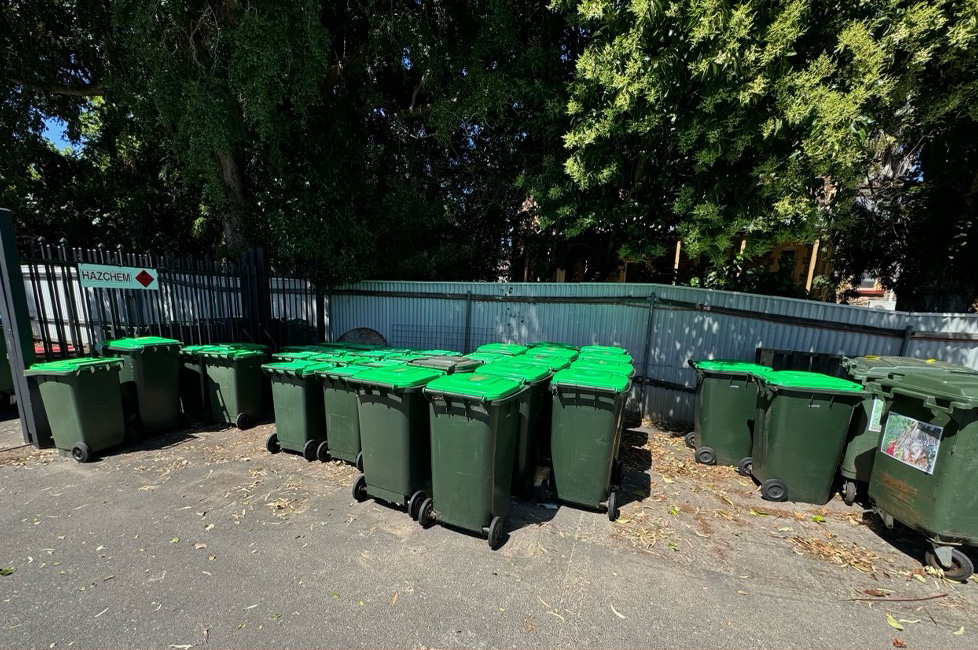
Educational institutions across Australia generate a consistent, unavoidable stream of organic food waste from daily operations, with boarding schools facing an amplified challenge due to round-the-clock catering requirements. At Prince Alfred College, significant volumes of food waste were produced through canteen services, boarding facilities, and school events, resulting in an estimated average of 20 tonnes of organic waste generated each month. This waste profile required excessive reliance on external waste contractors and off-site landfill disposal, resulting in monthly waste management expenditures of over $2000 to dispose of 120 bins across the campus. Beyond its direct financial burden, this initial approach further inhibited the school’s capacity to actively manage waste streams on-site and reduce its environmental footprint.
The continued disposal of organic waste to landfills raised broader environmental concerns. Organic materials such as food and green waste undergo anaerobic decomposition in landfill conditions, generating methane (CH₄), a greenhouse gas up to 80 times more potent than carbon dioxide (CO₂). Throughout Australia, methane emissions from decomposing organic waste account for up to 12% of total national methane emissions, and methane is estimated to account for as much as 97 per cent of landfill-related pollution. In South Australia alone, between 200,000 and 230,000 tonnes of food waste are sent to landfill annually, with commercial waste streams contributing up to 26 per cent of this volume. Prince Alfred College’s unavoidable initial off-site transport of waste further increased harmful emissions, amplifying its overall environmental footprint.
As a leading educational institution, the school further identified a missed opportunity to embed sustainability practices into everyday campus life. While environmental responsibility was a stated priority, the existing waste management model operated largely out of sight, offering limited visibility, engagement, or educational value for students and staff.
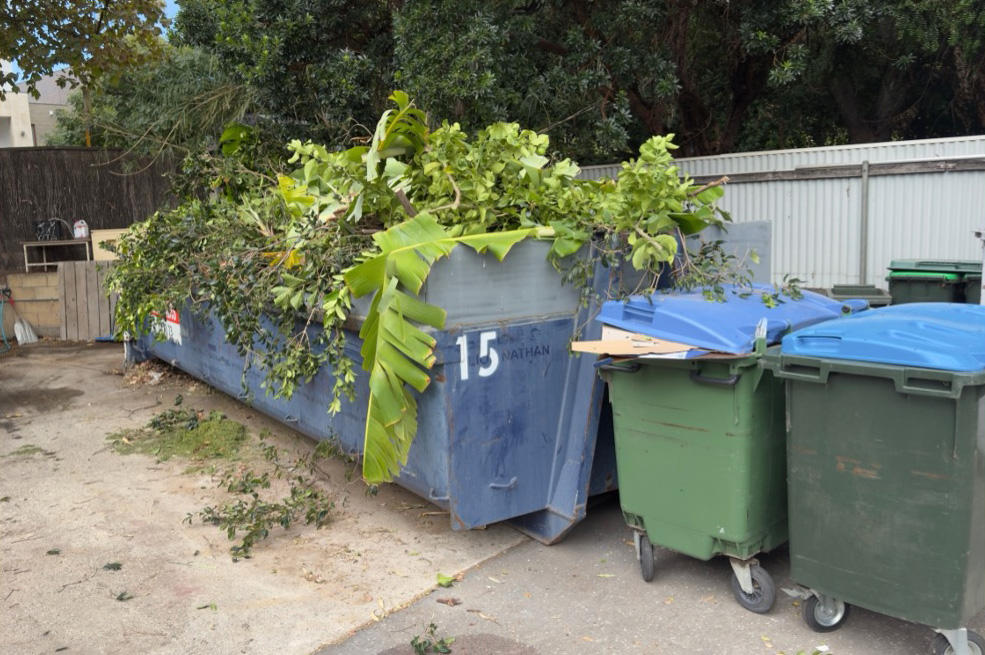
Schools, particularly those with boarding communities, play a significant role in addressing the critical climate crisis; however, due to unique circumstances, they face distinct constraints when it comes to food waste. Solutions must safely accommodate high and consistent waste volumes, operate within occupied environments, require minimal spatial footprint, and remain simple to operate and maintain. Collectively, these challenges drove home the importance of a purpose-built, on-site solution capable of delivering measurable environmental outcomes while aligning with educational objectives and operational practicality - resulting in the chosen model, Foodie F – 100.

Power Tech Energy worked closely with Prince Alfred College to design and deliver a solution tailored to the school’s operational demands and sustainability ambitions. Central to this approach was the implementation of the Foodie F-100 decomposer – a comprehensive, rapid food waste conversion system selected for its capacity to process up to 100 kg of organic waste in a 24-hour cycle. This processing capability corresponds directly with the school’s daily waste generation across both its boarding and day school communities.
Engineered specifically for commercial environments with continuous, high-volume waste streams, the F-100 catalyses the transformation of mixed food waste (see Figure 1) into a readily usable, nutrient-rich soil amendment (see Figure 2) through a carefully regulated thermophilic process. Its fully enclosed, odour-controlled chamber enables clean, safe operation, making it exceptionally well-suited for a busy educational campus.
By adopting this new system, Prince Alfred College has integrated organic waste management into its operations, reducing the environmental impact of off-site landfill disposal and external contractors.

The Foodie system is meticulously designed to receive and process a broad spectrum of organic inputs. Its durable technology is designed to decompose waste ranging from cooked and uncooked food waste to plate scrapings, plant offcuts, and food preparation residues, making it well-suited to the diverse waste profile of a busy school. Once fed into the unit, the material enters a highly controlled processing environment in which mechanical intervention, thermophilic biological activity, and closely regulated thermal conditions collaborate to accelerate decomposition within a 24-hour cycle.
At the core of the system is an advanced thermophilic reaction process. Thermophilic bacteria flourish at elevated temperatures (typically 60–80°C), relying on heat-resistant enzymes and robust cellular structures to sustain rapid metabolic activity under conditions that would inhibit conventional microorganisms. Traditional enzymes fail at these temperatures as increased kinetic energy destabilises their molecular structures, disrupting secondary interactions and impairing overall metabolic function.
These specialised enzymes, however, enable the rapid and stable breakdown of complex organic compounds. Consequently, the bacteria ensure efficient and consistent decomposition even under sustained high-temperature stress, while simultaneously catalysing the process to optimise the yield of nutrient-rich soil. The system's optimised internal composition further supports this biological performance, maintaining continuous aeration and even heat distribution to maintain ideal conditions throughout the chamber. These mechanisms collectively reduce the original volume of food waste by approximately 80–90%, providing a highly efficient and space-saving waste management solution for commercial environments.
The outcome is a dry, stable, soil-like amendment enriched with nitrogen, phosphorus, and potassium, the primary nutrients essential for healthy plant growth, allowing immediate incorporation into campus gardens and landscaping. Underpinning the technology is a focus on energy efficiency, operational reliability, and low-maintenance functionality. Beyond routine loading and simple operational checks, the system requires no more than 15 minutes of staff attention per day, making it exceptionally well-suited to a school environment where safety, simplicity, and predictability are paramount.

The Foodie F-100 unit was intentionally installed within a predetermined zone adjacent to key waste-generation points, enabling seamless integration with existing kitchen and facility workflows. Power Tech Energy delivered comprehensive operational training to all relevant staff, covering unit functionality, safety protocols, and appropriate waste-segregation practices. The installation additionally incorporated site-specific adaptations to minimise avoidable accidents and ensure consistent, safe, and efficient daily operation within a busy school environment.
Beyond financial gain, the Foodie system directly advances the school’s commitment to environmental responsibility by transforming into a closed-loop, circular pathway. The soil produced on-site is reused across campus landscaping and gardening projects, offering students a visible and practical demonstration of circular economy principles. The system also creates practical, hands-on learning opportunities that reinforce curriculum outcomes in sustainability, resource management, and environmental stewardship. By embedding real-world climate action into everyday operations, the project strengthens the school’s position as a pioneer in sustainability across both its day school and boarding communities.
The introduction of the Foodie decomposer has dramatically reduced Prince Alfred College’s environmental footprint. Before its implementation, the school relied on an average of 124 external bin services per month, peaking at 129 in October 2024. With the adoption of on-site processing through the FOODIE system, external bin requirements steadily dropped to an average of 47 by February 2025—a 62% reduction in externally collected waste.
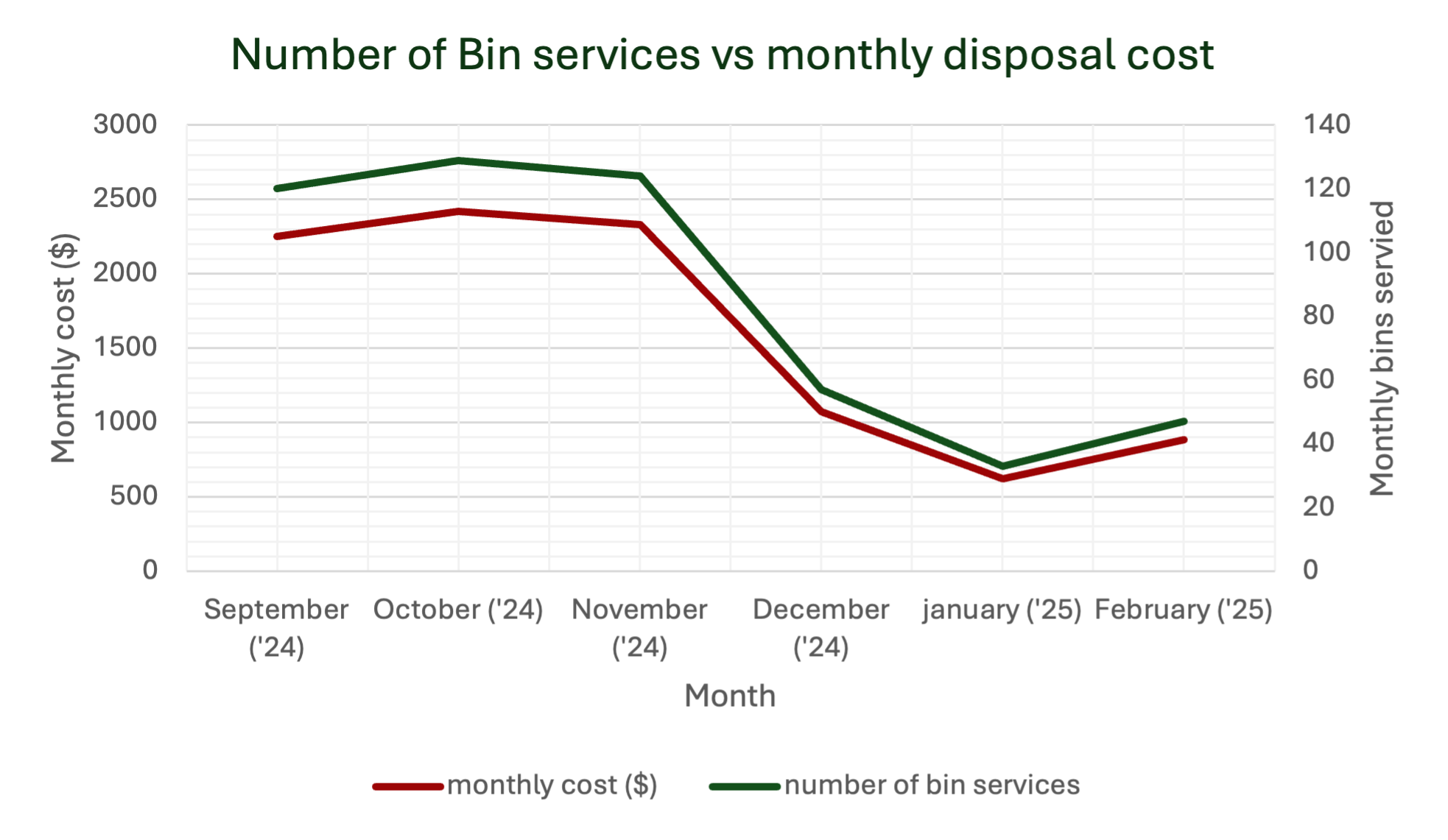
These results were further strengthened by the system’s intrinsic ability to reduce the physical volume of organic waste by 80–90%, ensuring that the majority of food waste is no longer transported off-site or sent to landfill. Given that methane emissions from decomposing organic matter account for up to 12% of Australia’s total methane output and constitute 97% of landfill-related pollution, diverting food waste from anaerobic landfill conditions delivers a meaningful contribution to climate mitigation. Reduced waste transport requirements subsequently lower fuel use and indirect operational costs, reinforcing the school’s extended sustainability objectives.
The outcomes of this project demonstrate the comprehensive value of implementing the Foodie decomposer system in school settings, where the benefits extend far beyond waste reduction alone. By internalising organic waste processing, the school not only minimises its environmental footprint but simultaneously adopts a visible, campus-wide model of circularity that students, staff, andthe wider community actively observe and participate in, cultivating a culture of stewardship. In educational environments where habits, expectations, and values are at the forefront of young students’ minds, the presence of technology plays a pivotal role in normalising responsible resource management and climate-conscious behaviour. The resulting nutrient-rich soil (Figure 4), reintegrated into on-site gardens, creates a tangible feedback loop that reinforces a vital principle that waste is not an endpoint, but a valuable resource.
Upon delivering the F-100 solution, Power Tech Energy has effectively enabled Prince Alfred College to adapt from a conventional waste disposal program intoa truly circular, low-emissions system, benefitting both the environment and school community. This project stands as a tangible demonstration of how practical sustainability technology can drive measurable impact, strengthen operational efficiency, and finally empower our community with real-world climate stewardship.


